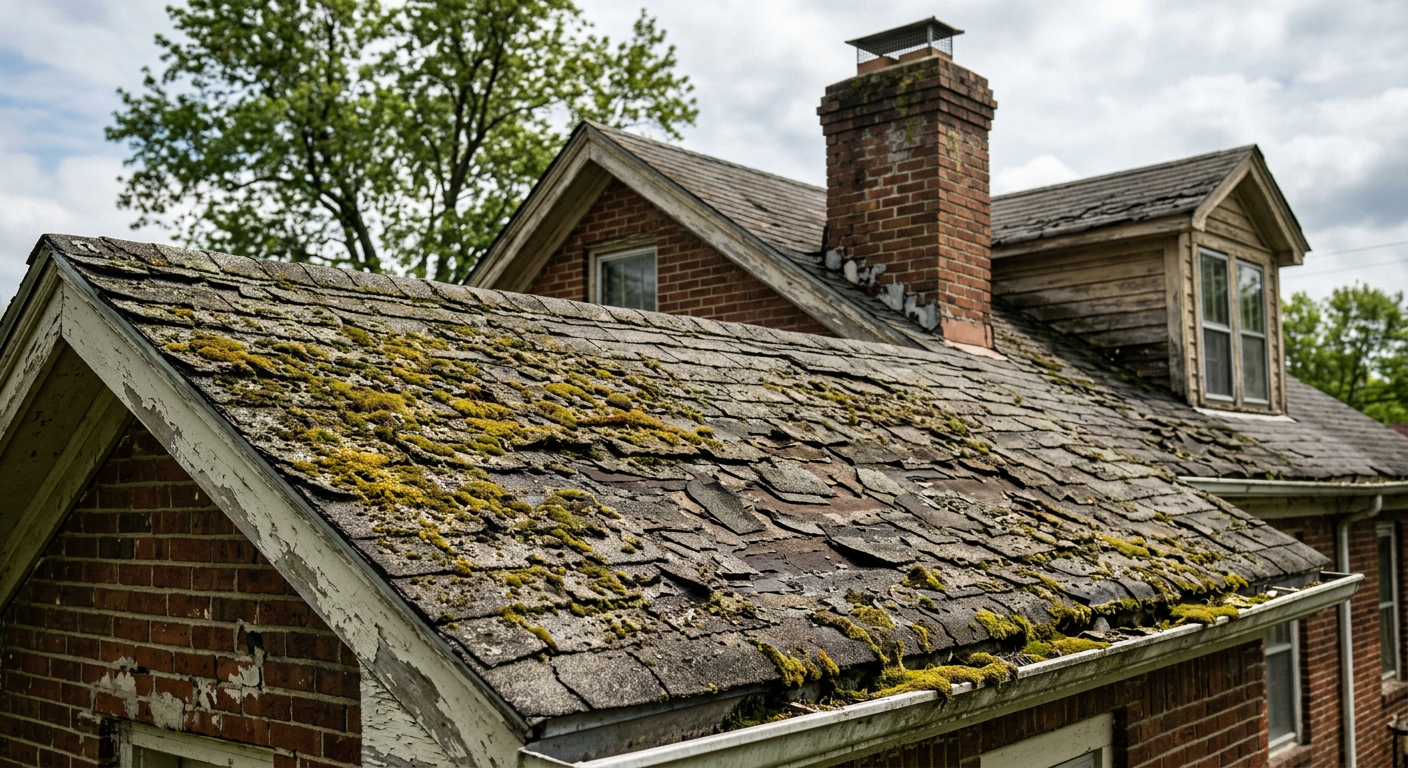
Louisville homeowners ask this question more than almost any other: "How long do I have before I need a new roof?" The honest answer depends on what's up there, how it was installed, and what it's been through since. A well-installed architectural shingle roof in Louisville should give you 25–30 years. Many fall short of that. Some exceed it. Here's what determines the difference — and what you can do to get every year you're owed out of your roof.
Expected Lifespan by Roofing Material in Louisville
Not all roofing materials age the same way, and Louisville's specific climate — hot, humid summers, cold winters, UV exposure, and a healthy share of severe storms — affects each one differently.
3-Tab Asphalt Shingles: 15–20 years. These were the standard for decades but have been largely replaced by architectural shingles. If your home still has 3-tab shingles and they're approaching the 15-year mark, start planning. Louisville's UV exposure and temperature swings push 3-tab shingles toward the low end of their rated lifespan.
Architectural (Dimensional) Shingles: 25–35 years. The current standard for Louisville residential roofing. Thicker, more durable, and better wind-rated than 3-tab. Quality brands rate for 130 mph wind resistance — relevant in this part of Kentucky.
Impact-Resistant (Class 4) Shingles: 30–40 years. The best asphalt option for Louisville homes. Class 4 impact rating means they've passed the UL 2218 steel ball drop test at the highest severity level. Given Louisville's hail frequency, these earn their premium.
Metal Roofing (Standing Seam or Metal Shingle): 40–70 years. The longest-lasting option for Louisville homes. Metal handles freeze-thaw cycles, hail, and wind better than any asphalt product. Higher upfront cost, but on a cost-per-year basis, metal often wins.
EPDM / TPO (flat/low-slope areas): 20–30 years. For homes with flat sections — common on additions and porches in Louisville's older housing stock — these membrane systems are the standard.
Louisville's Climate Is Hard on Roofs
The Louisville roofing company you hire will tell you the same thing: Louisville is harder on roofs than the manufacturer ratings assume. Here's why:
Freeze-thaw cycling. Louisville winters aren't brutally cold like Minnesota's, but they oscillate above and below freezing repeatedly — sometimes multiple times in a single week. Every freeze-thaw cycle expands and contracts roofing materials slightly, weakening adhesive bonds and working at nail points over time.
Heat and UV. Louisville summers are hot and sunny. Prolonged UV exposure breaks down asphalt shingles' protective granule coating, accelerating aging. South-facing roof slopes typically show wear faster than north-facing ones.
Humidity and moisture. Louisville's average humidity is high year-round. Moisture that gets under shingles via capillary action, condensation, or poor flashing eventually deteriorates decking and causes mold and rot. Proper ventilation is critical — and often overlooked.
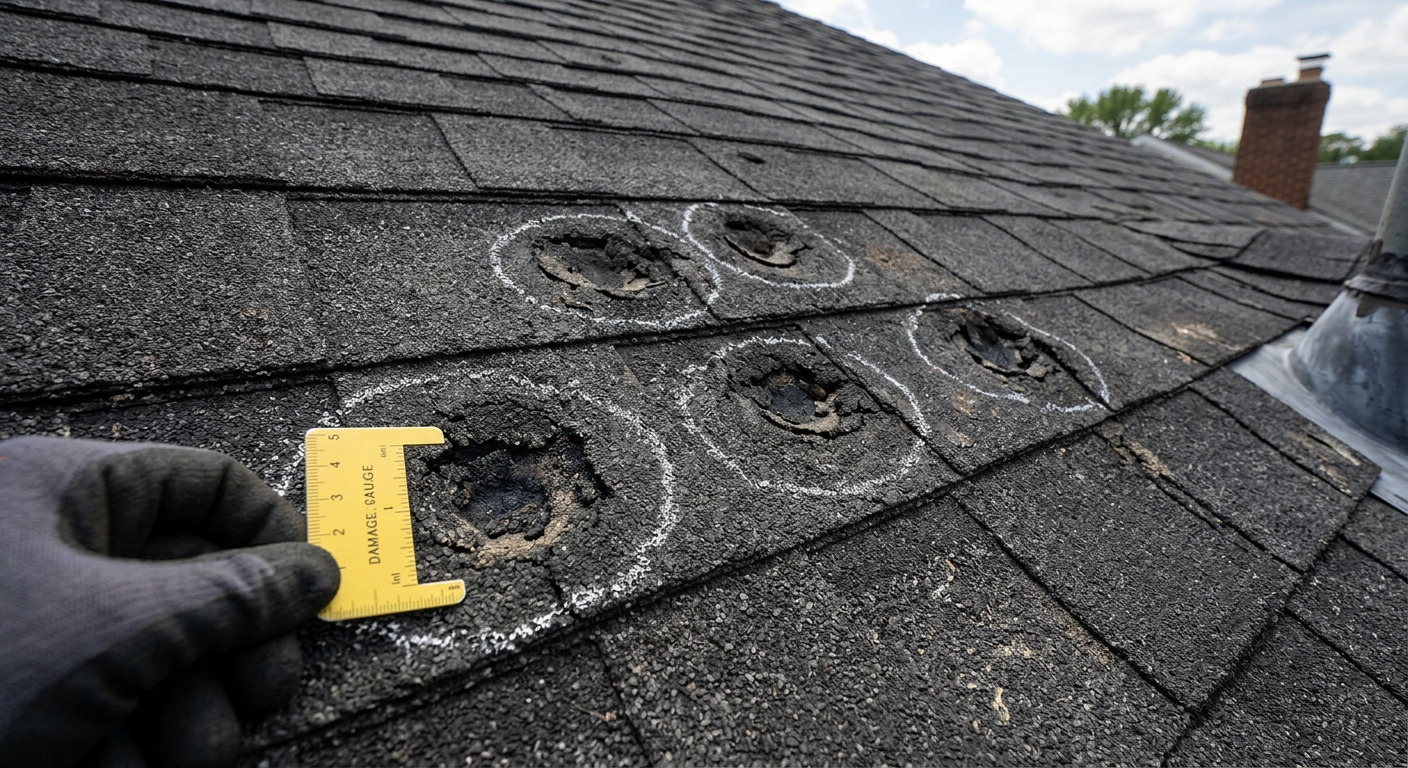
Hail frequency. Jefferson County sees multiple significant hail events every year. Even if an event doesn't cause visible cracking, repeated hail impacts accelerate granule loss, reducing the shingle's effective lifespan by years.
What Shortens a Roof's Life in Louisville
Even a quality product installed on a Louisville home will underperform if any of these factors are present:
Poor ventilation. Attic heat buildup in summer and moisture in winter are the most common hidden lifespan killers. An adequately ventilated attic keeps shingle surface temperatures lower in summer and prevents moisture condensation in winter. Poorly ventilated attics can cut a shingle's rated life by 5–10 years.
Improper installation. Incorrect nail placement, insufficient shingle overlap, reused flashing, and shortcuts on underlayment all show up years later as leaks, lifted shingles, and premature failure. This is why contractor quality matters as much as material choice.
Overhanging trees. Branches that contact the roof abrade the granule surface with every wind movement. They also deposit debris that traps moisture and accelerates mold growth. Louisville's mature tree neighborhoods — Crescent Hill, Audubon Park, Indian Hills — mean this issue is more common than people realize.
Ignored maintenance. Small flashing gaps, minor sealant failures around pipe boots and skylights, and clogged gutters that create ice dams — all of these are fixable problems that become serious ones when ignored for years.
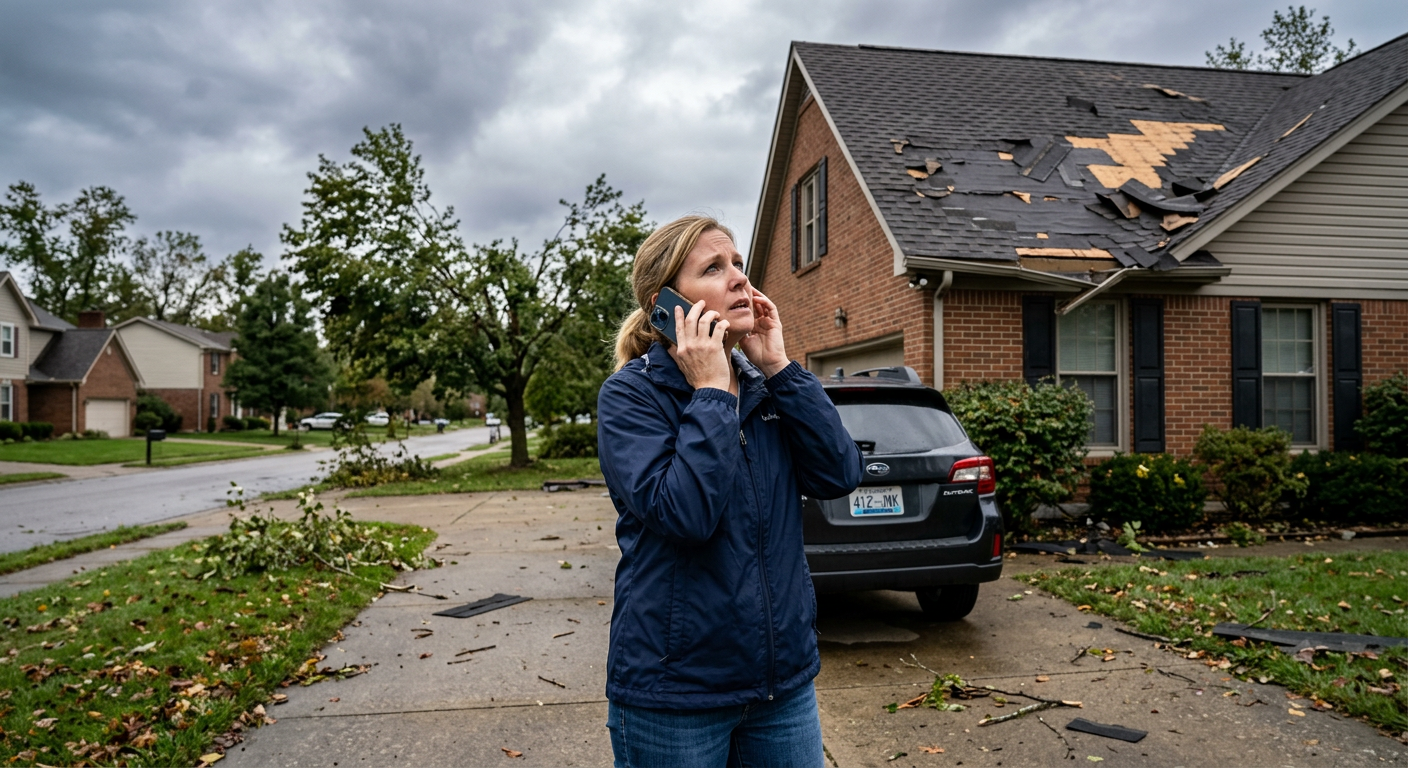
Storm damage. A hail event that doesn't warrant an immediate claim can still strip enough granules to cut years off your roof's remaining life. Regular inspections after storms catch this.
How to Know When It's Time
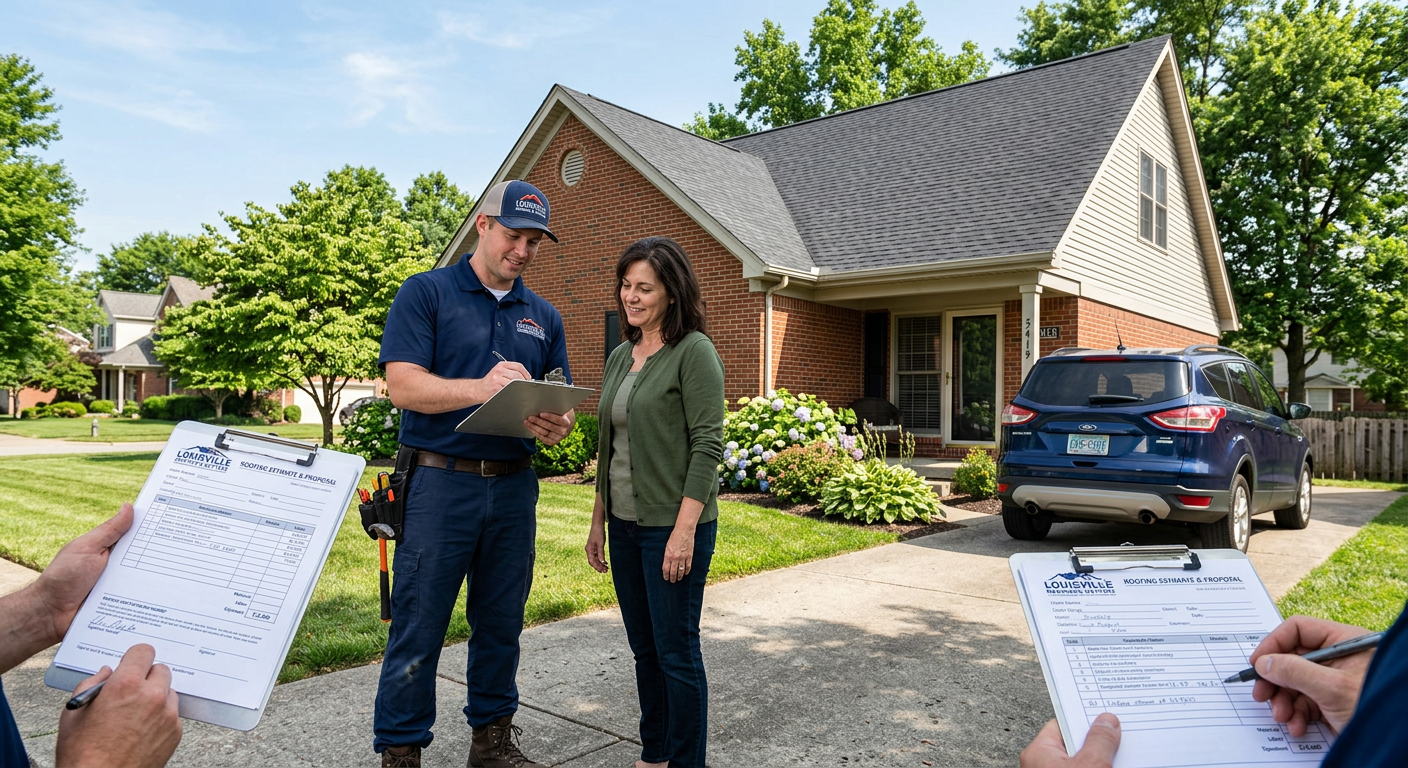
A Louisville roofing company worth calling will give you an honest assessment. Signs your roof is approaching or past its service life:
- Widespread granule loss (check your gutters after rain — granules accumulate there)
- Curling, cupping, or buckling shingles
- Shingles cracking along their edges
- Multiple active leaks or recurring leak repairs in different areas
- Shingles missing after every significant wind event
- Age — if it's been 20+ years, get an inspection regardless of visible signs
Getting More Life Out of What You Have
If your roof has 5–8 years left, proactive maintenance extends that:
- Annual inspections to catch flashing failures and sealant deterioration early
- Clean gutters twice yearly (critical for ice dam prevention)
- Trim overhanging branches
- Ensure attic ventilation is adequate
- Address any ponding water on flat roof sections promptly
---
Louisville Roofing & Siding is a trusted Louisville roofing company serving Jefferson County and surrounding communities. Whether you need a professional lifespan assessment, proactive maintenance, or a full replacement, we'll give you honest information and fair pricing. Call (502) 416-1707 to schedule a free inspection and find out exactly where your roof stands.
Need Help With Your Roof or Siding?
Louisville Roofing & Siding offers free estimates with no pressure. Call us today.